Solo Show / 21.10>10.11.2025 / Art House
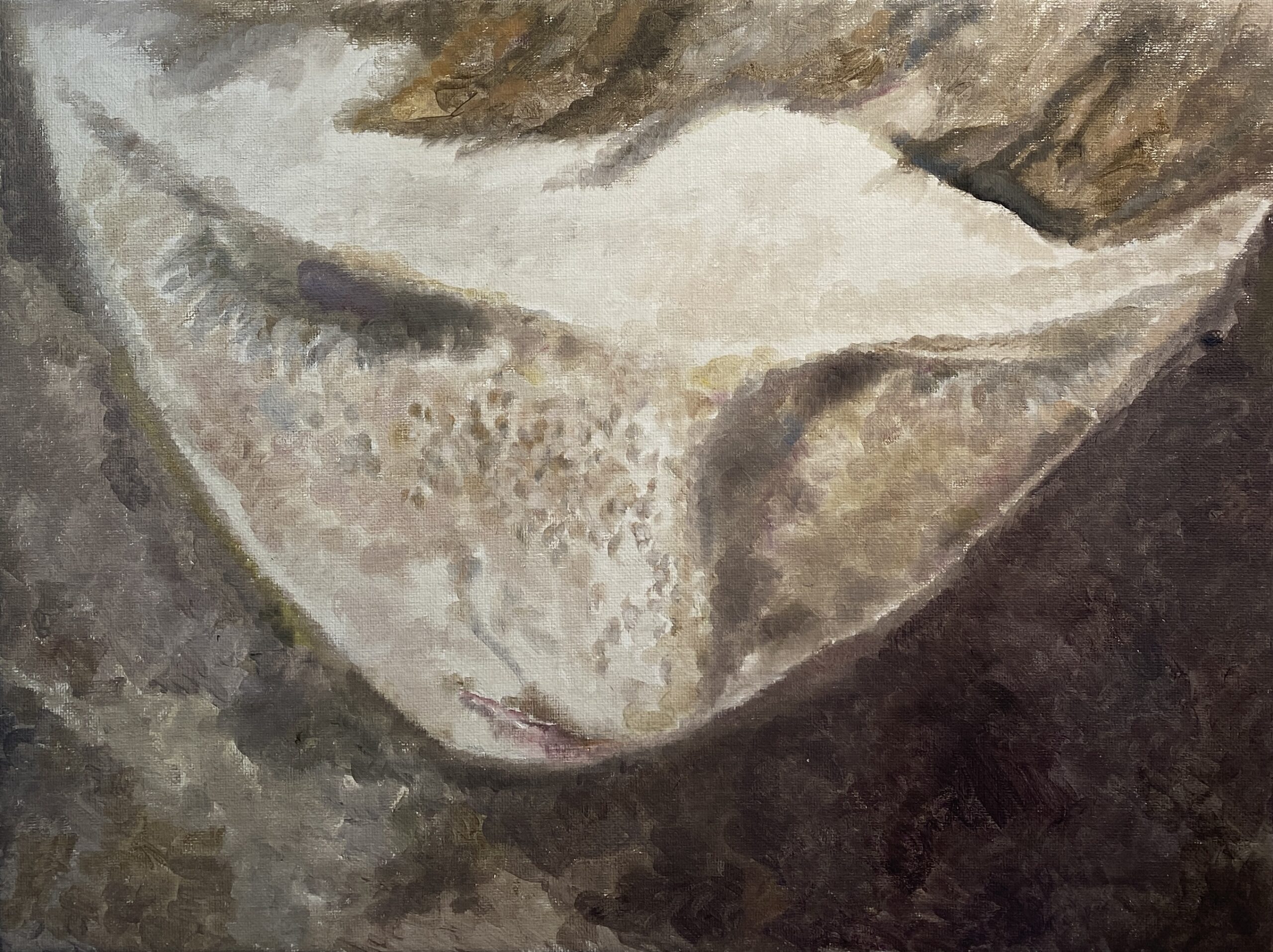
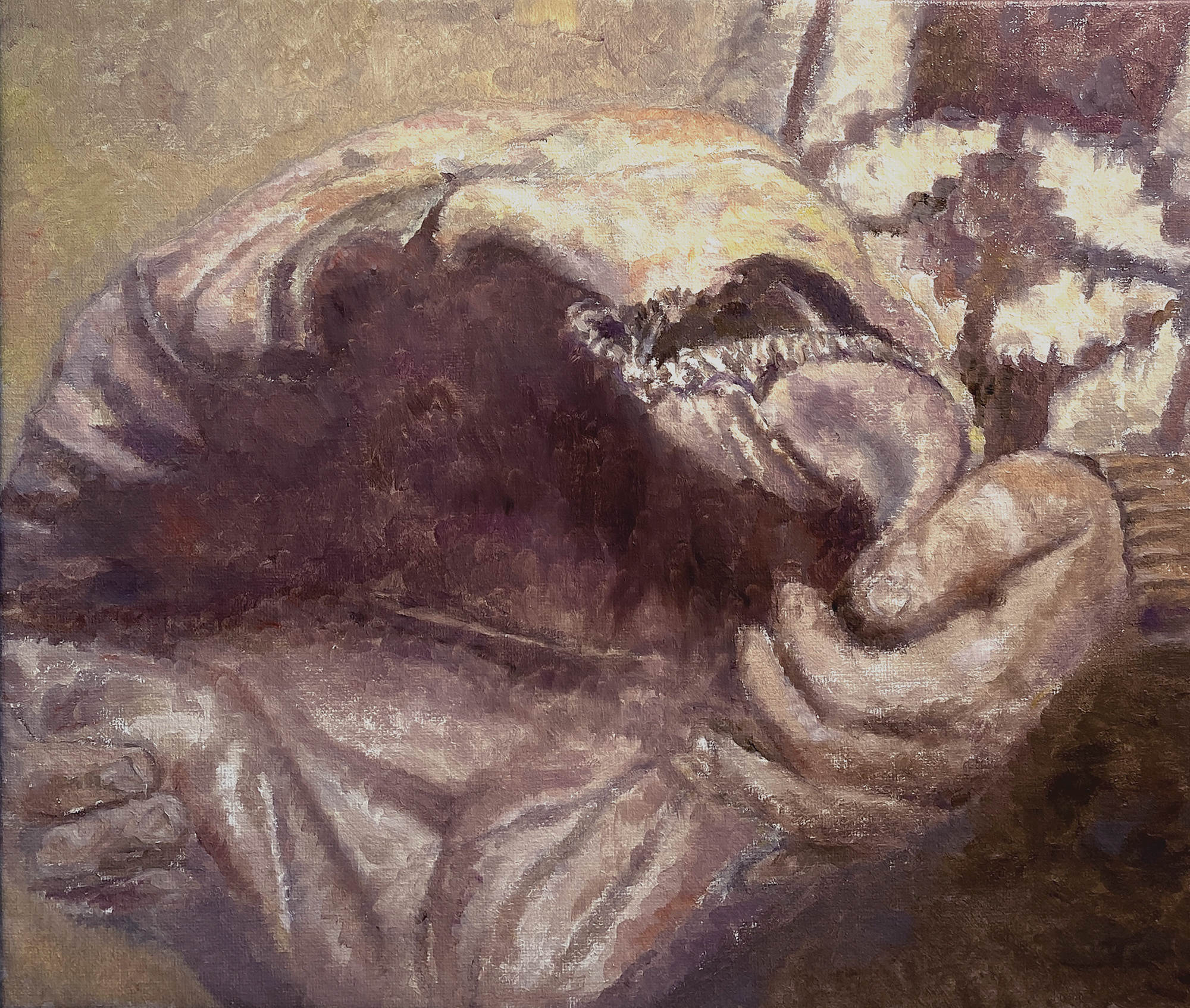
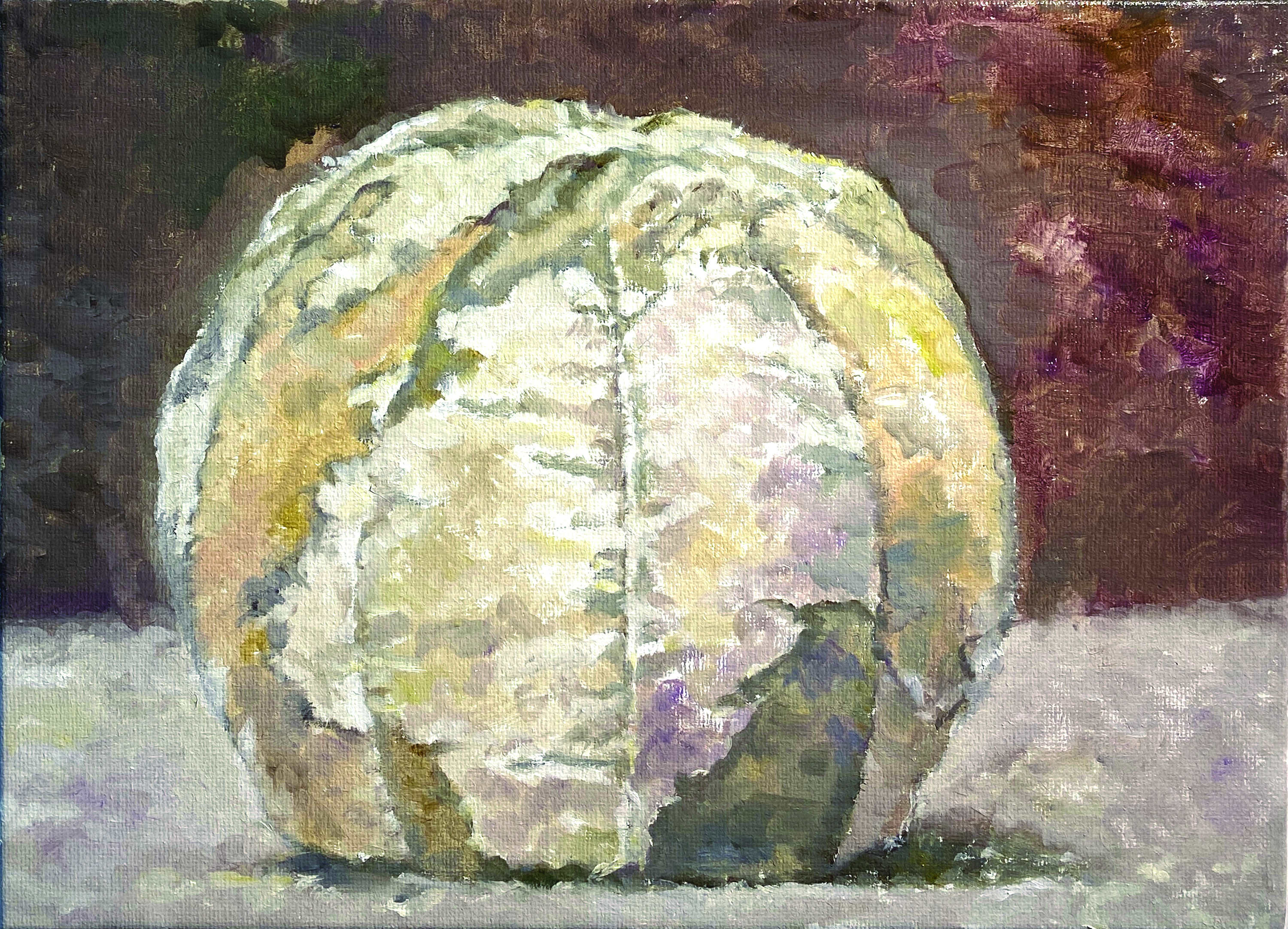
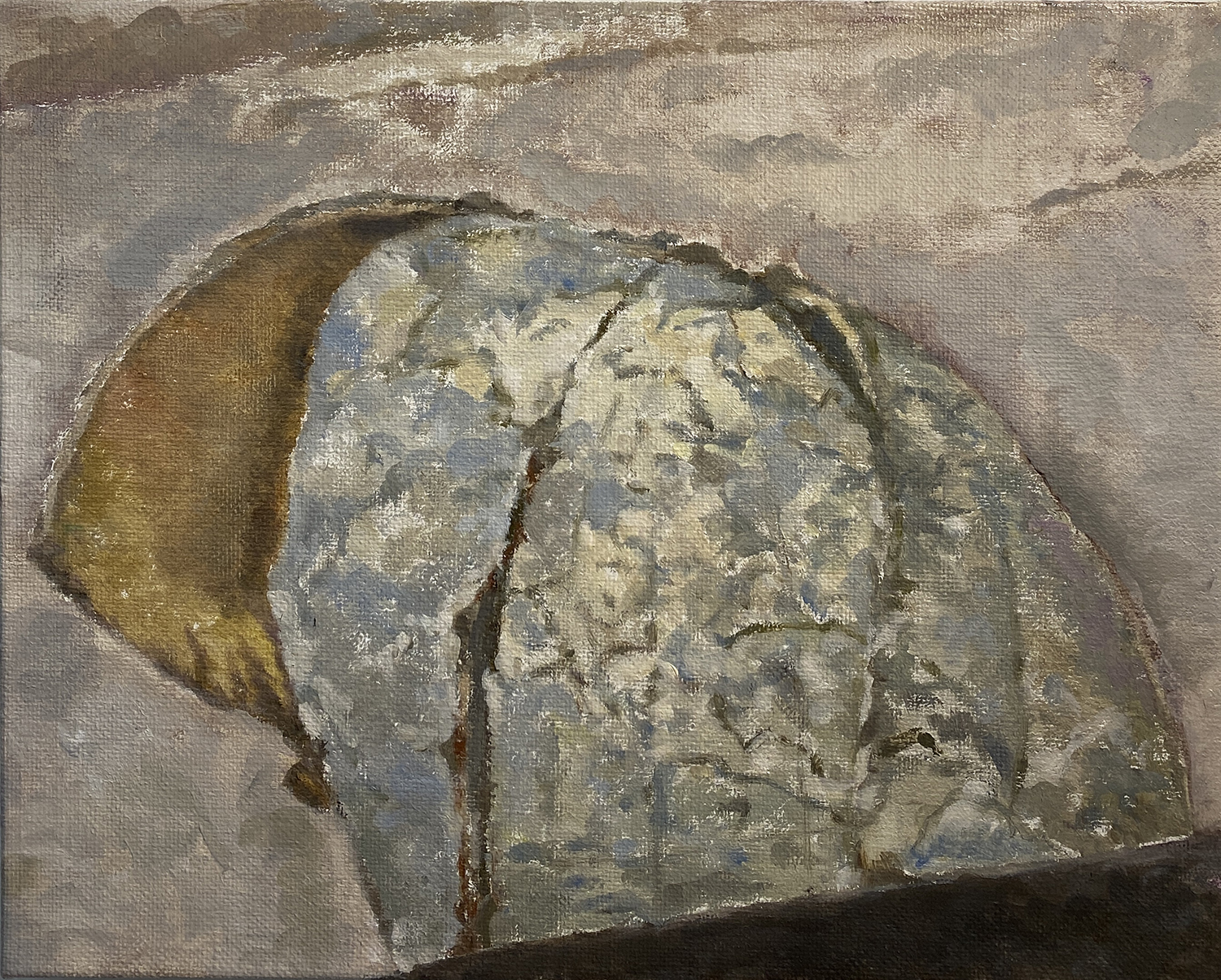
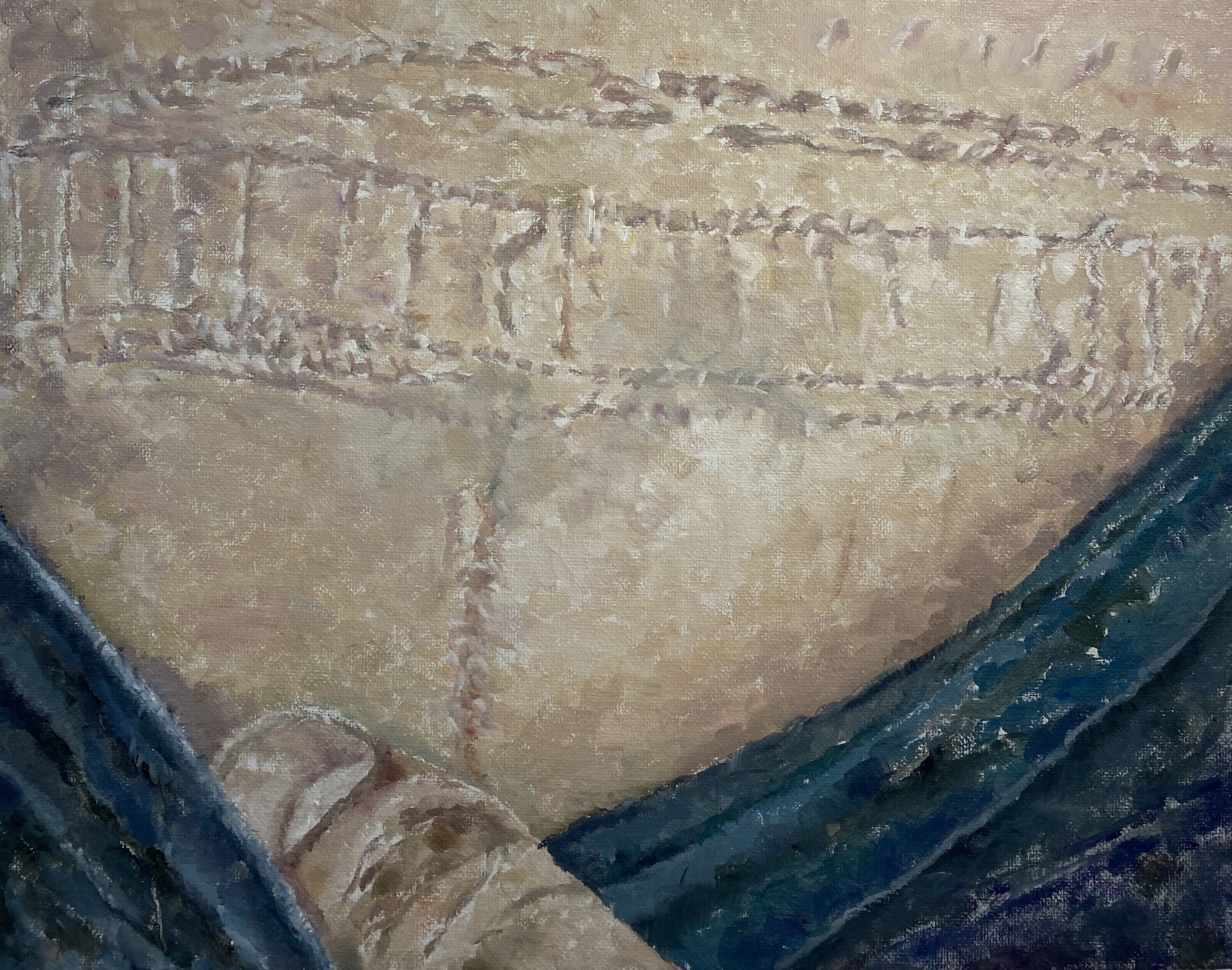
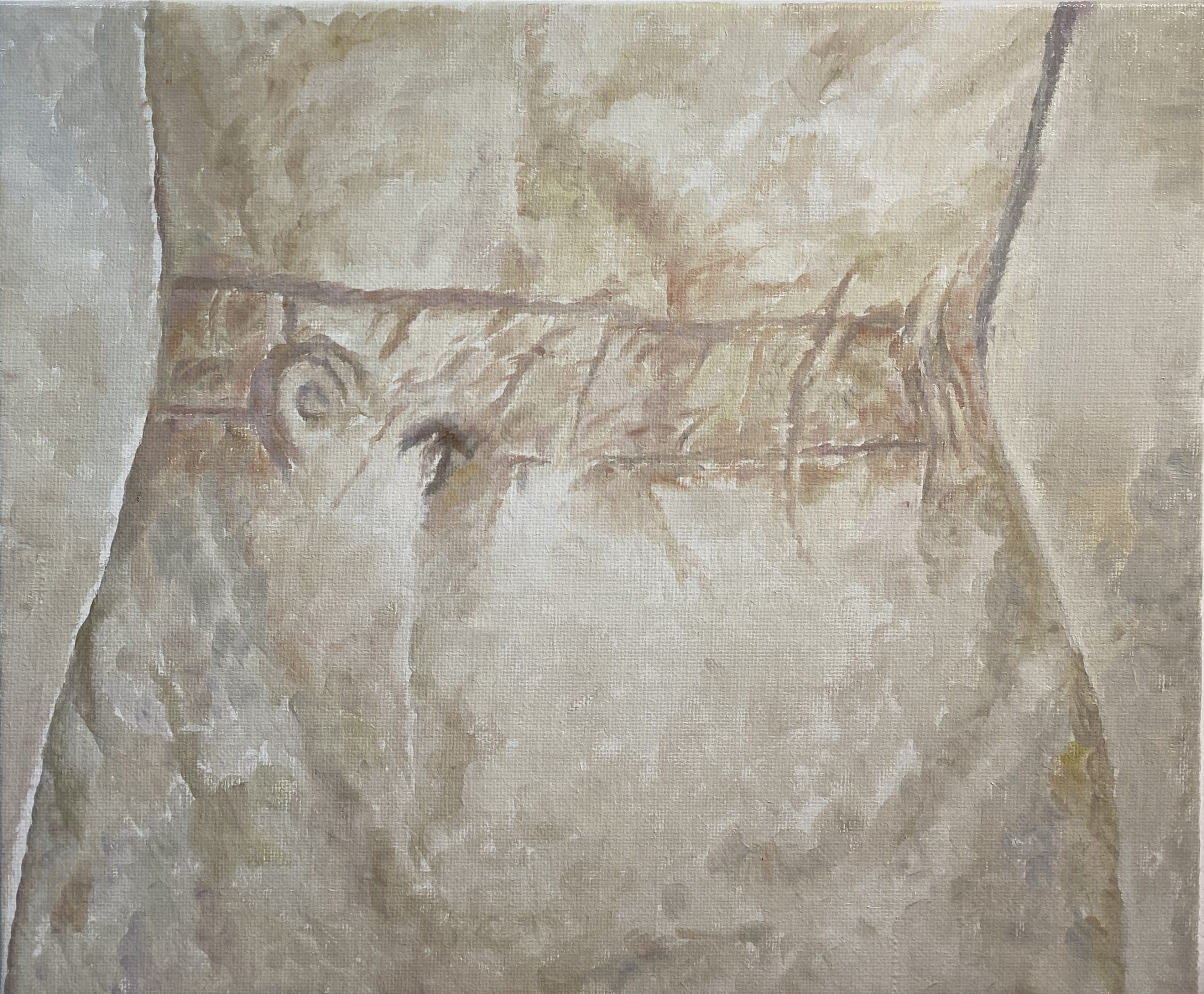
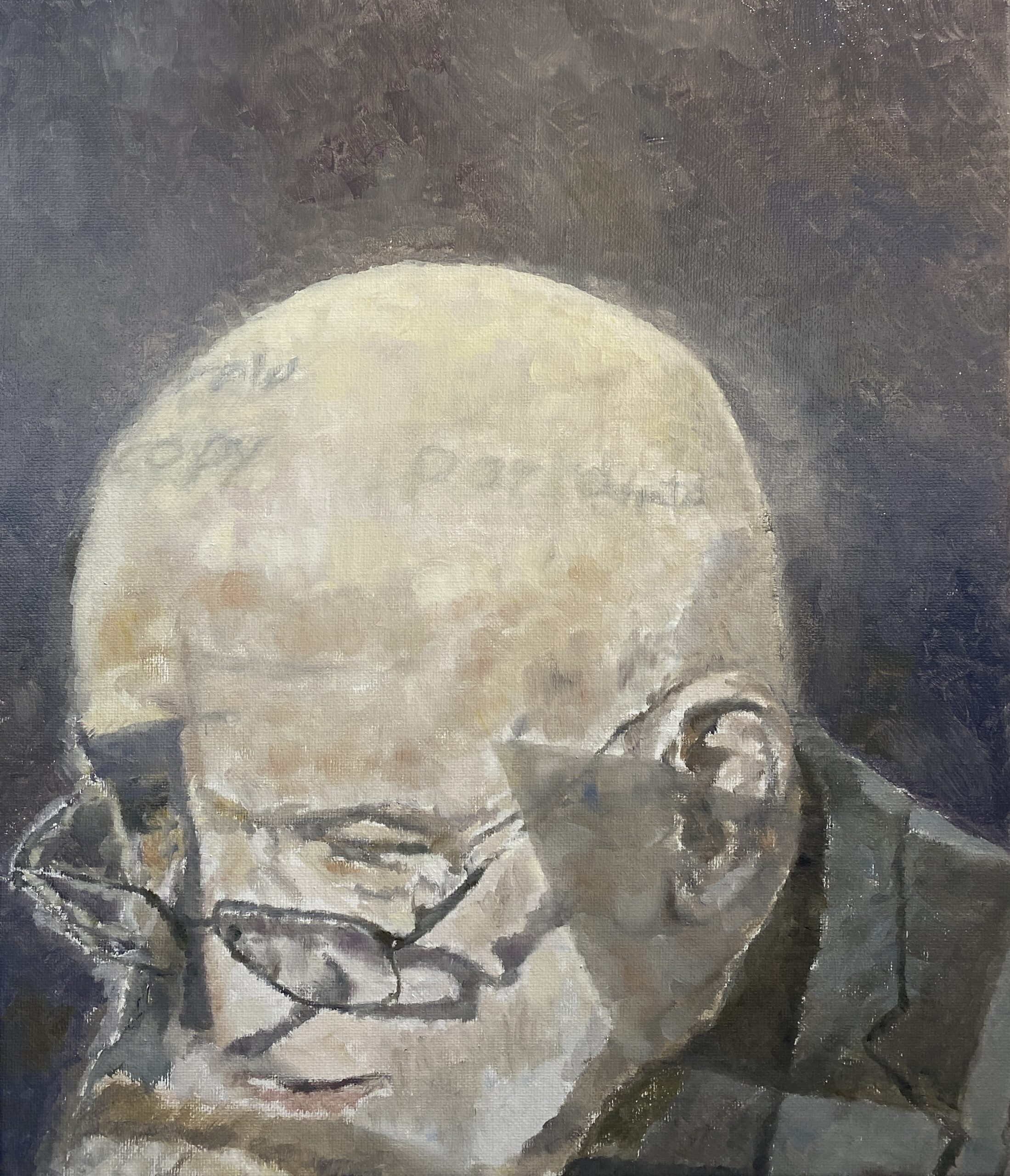
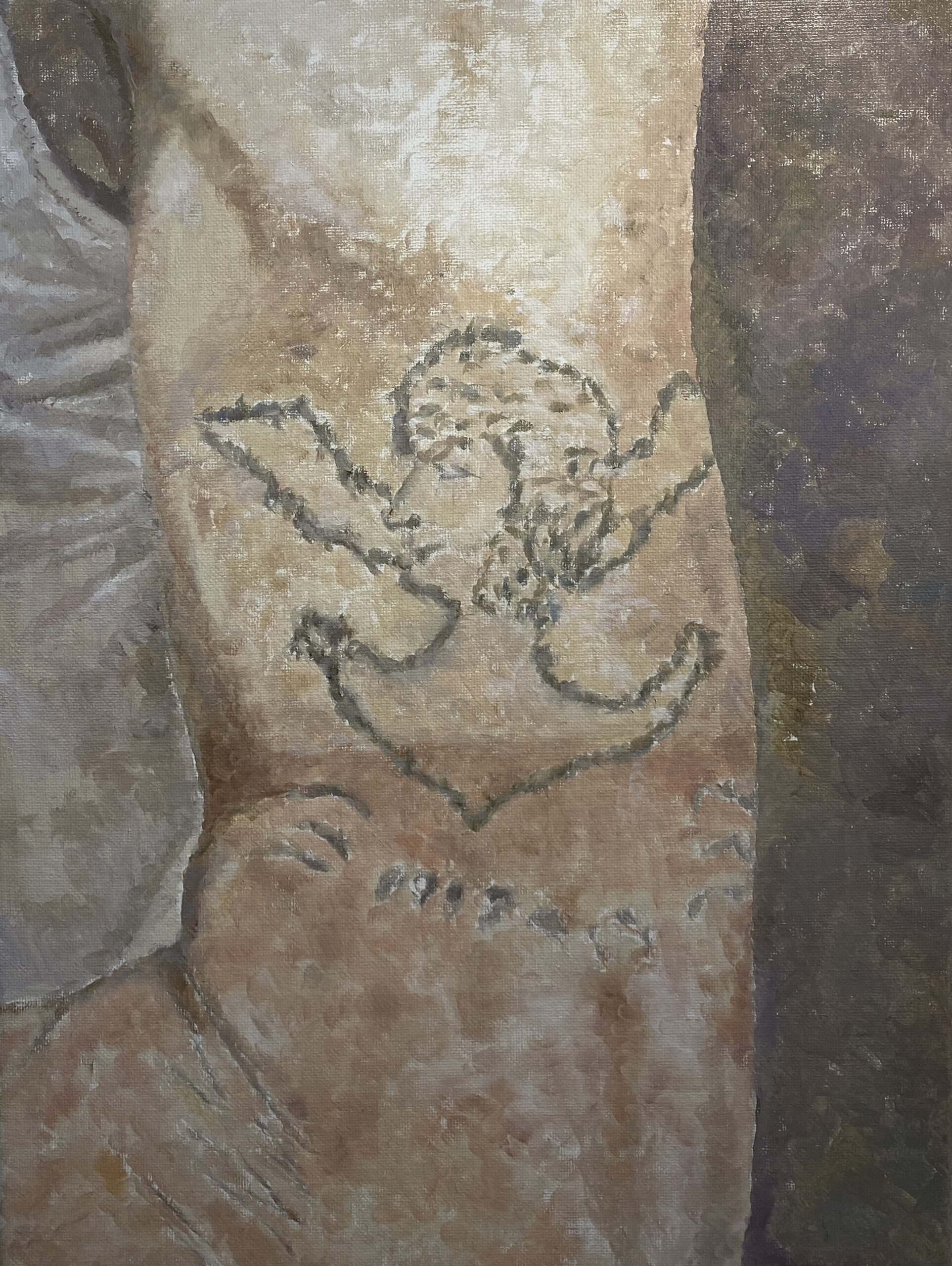
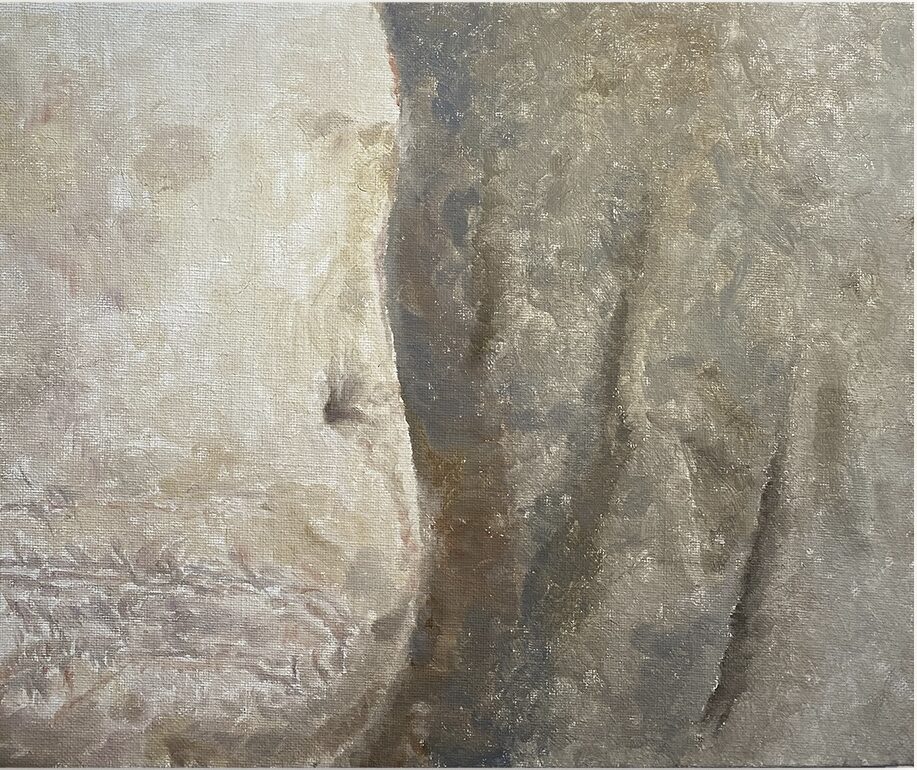
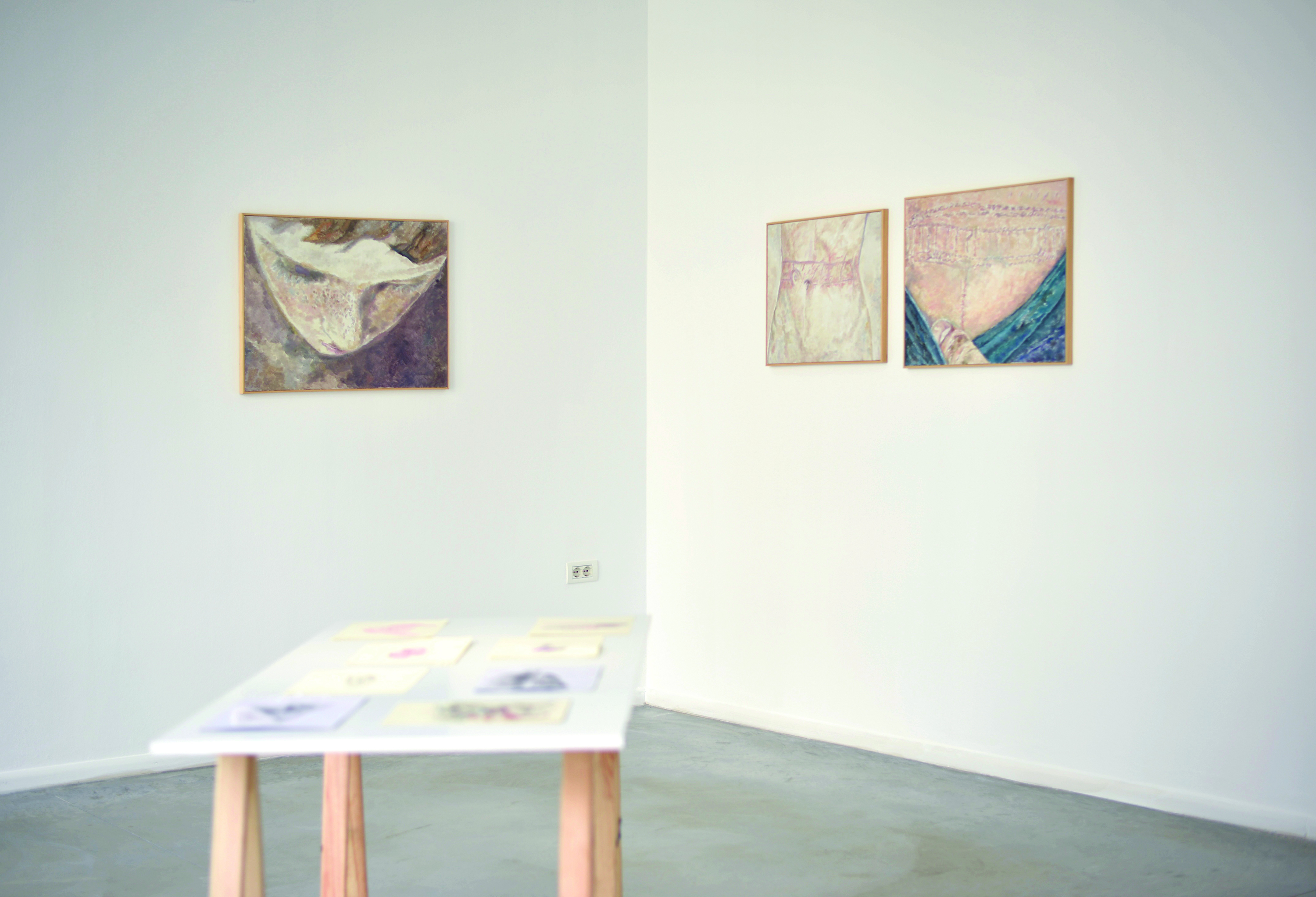
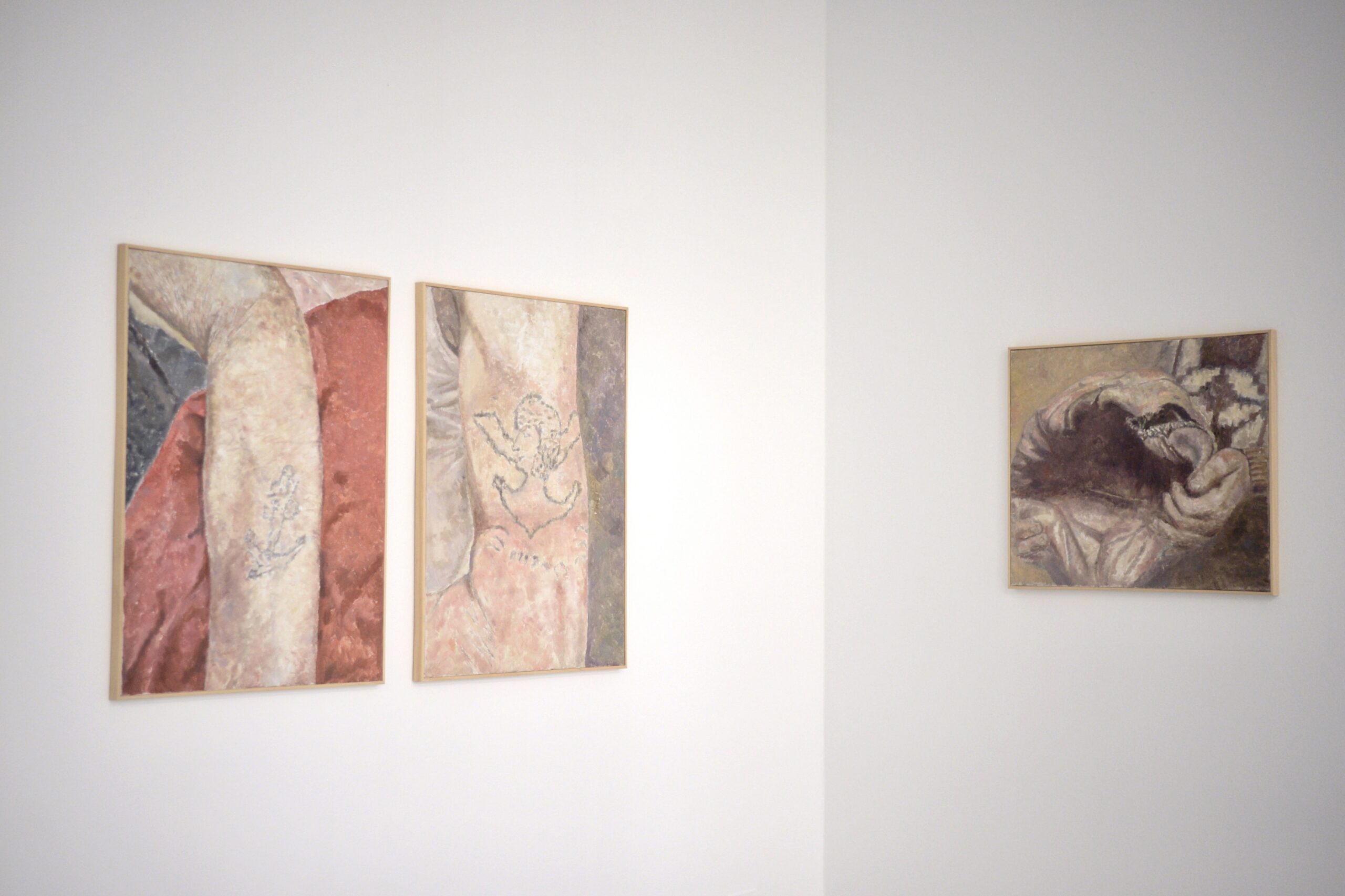
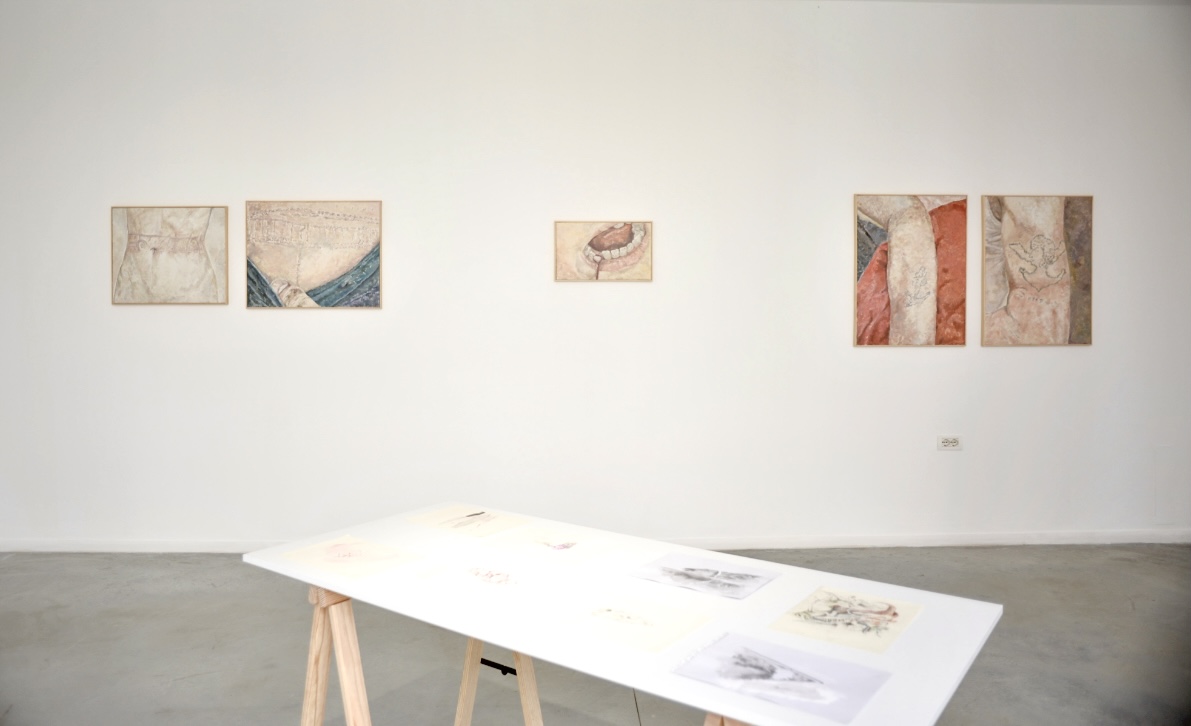
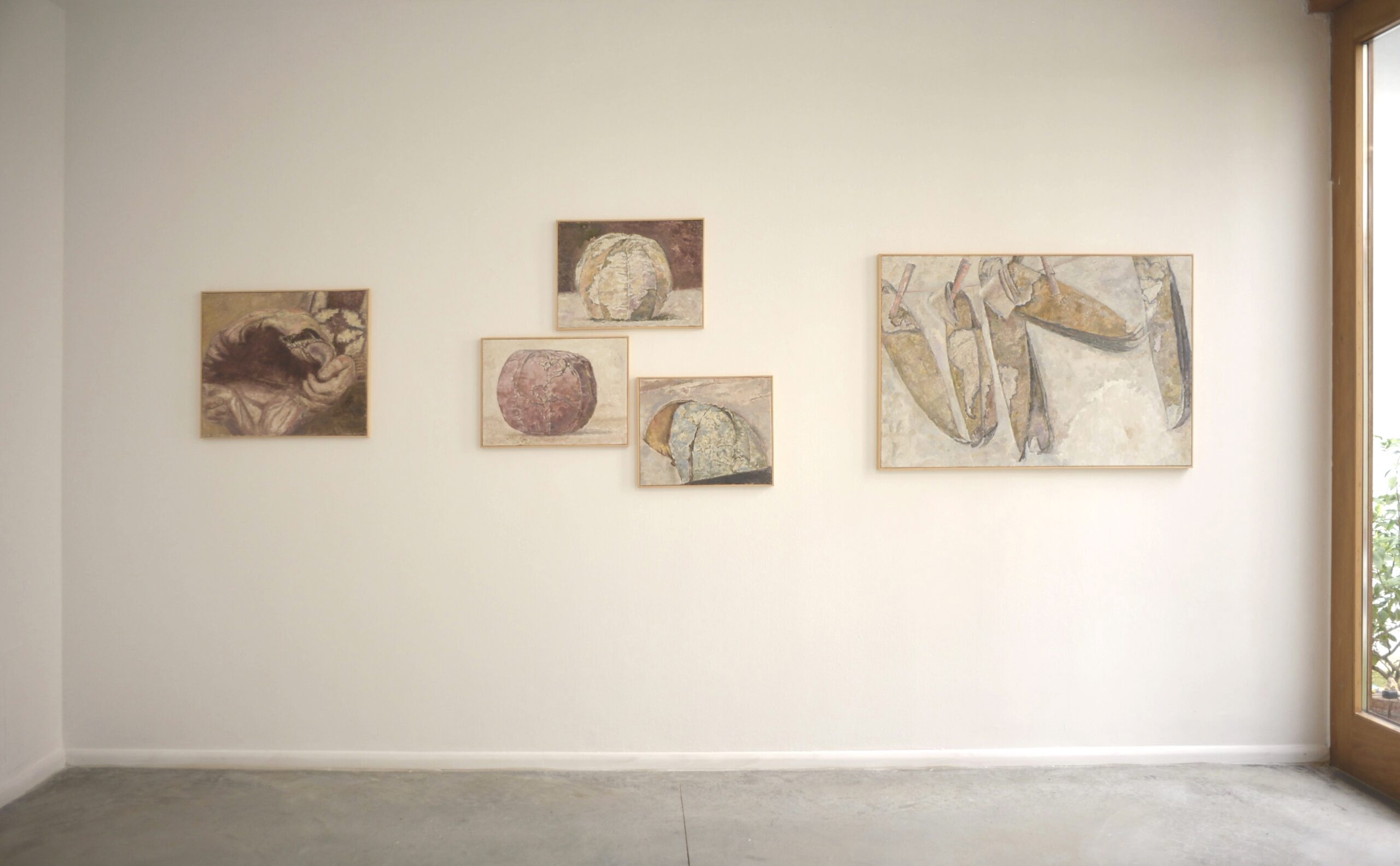
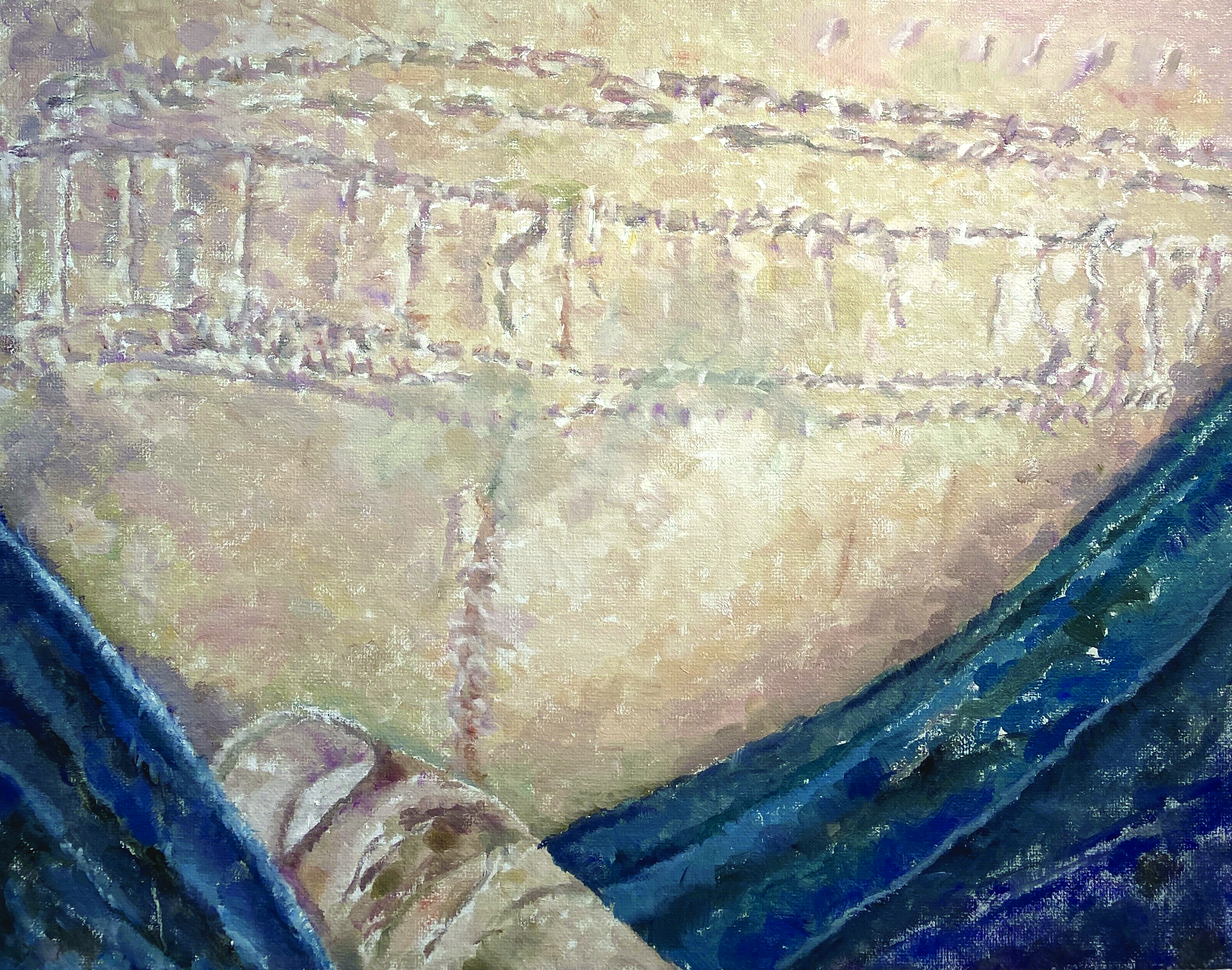
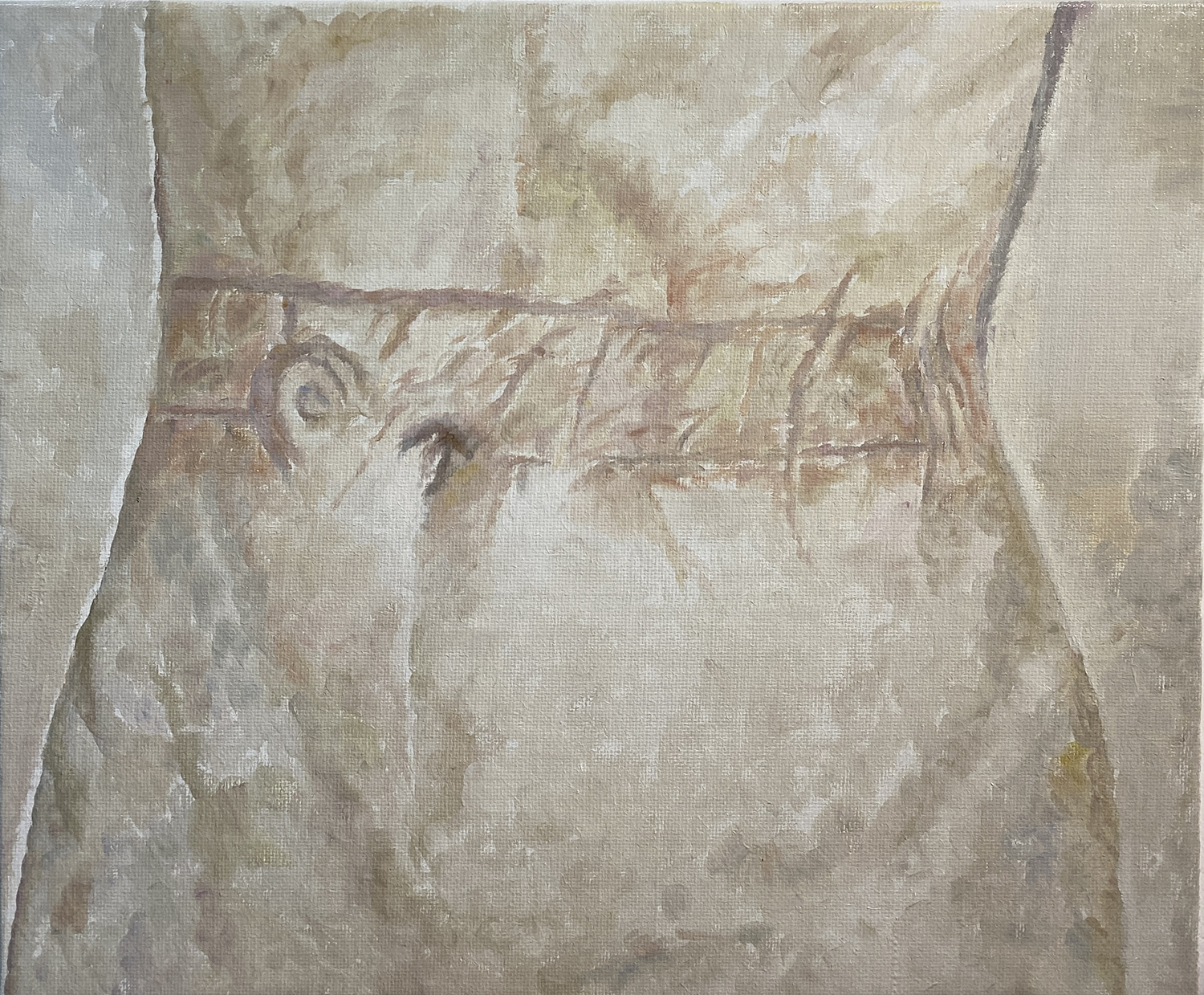
Borrowing the Skin is the metaphor Idlir Koka uses for this series of paintings, all created over the last year. These paintings speak to us of trauma, suffering, and doubt – explored precisely through the folds of the skin, through the marks left by the clothes we wear, or the signs we deliberately choose to inscribe on it, such as tattoos. Marks that, when transferred to objects, become tears and abrasions left by the use and the daily consumption we make of them. The skin – our largest organ, the threshold between our body and the world outside – can it be borrowed? In Albanian, there is the expression “to put yourself in someone else’s skin,” which conveys the meaning of this passage, of this metaphor that visually translates into a kind of involuntary hyper-empathy towards the other, be it a living being or an object surrounding us in everyday life. What the artist is showing us is not a feeling of pity or melancholy, but rather a close-up view of personal identity: mine, yours, theirs, ours. Where the boundaries between what is “me” and what is “you” blur and almost dissolve, replaced by a vibration born from the very pictorial matter, consisting of spots that, side by side, blend together memory, irony, and a certain feeling of inadequacy.
The characters in the paintings seem to question themselves – and us – about their very existence, whether they are living beings or objects from our daily lives. The “marked” surfaces the artist presents create a kind of archive of traces and pressures that, in some way, exist and remain visible both inside and outside us, breaking yet another boundary for the viewer, that between inside and outside. They become a mnemonic archive of dramas, traumas, sufferings, doubts, laughter, joys, and decisions we have experienced throughout our lives. What we experience on our skin is not merely a superficial sign, but an event that instantly becomes part of our memories, of our personal history – of that memory used as a malleable material to be recombined, bringing those same marks back to the surface and allowing us to feel them again upon our skin. Because, after all, the marks left on the skin are always there; and when we bring them back into view, they also become collective memory, whether through physical or visual contact, making us ask ourselves again and again: where is the boundary between you and me?
Stefano Romano